
Contents
- Why are pensioners suddenly paying tax?
- Is the State Pension taxable?
- The savings interest trap
- Calculator: Income Tax Calculator
- How HMRC collects the tax: Simple Assessment vs Self Assessment
- Check the tax bill is actually right
- Ways to reduce a pensioner's tax bill
- What to do if you get an HMRC letter
- Worked example: a typical retiree's tax bill
- Understanding your tax code as a pensioner
- Where to get free help
- Planning before and during retirement
- Frequently asked questions
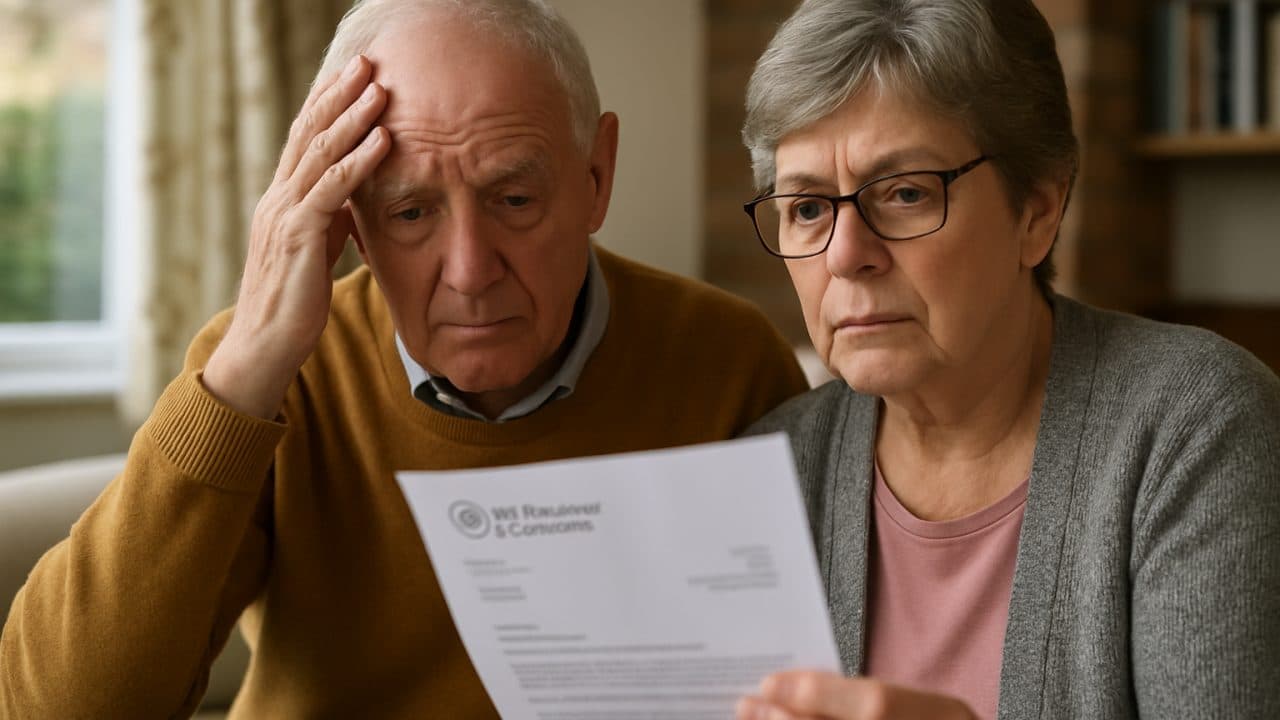
A growing number of pensioners are opening unexpected letters from HMRC asking for tax - often for the first time in years, and sometimes despite living entirely on a modest pension and a bit of savings interest. It isn't a mistake, and it isn't because pensioners did anything wrong. It's the predictable result of a rising State Pension colliding with a frozen tax-free allowance and higher savings rates. Here's why it's happening in 2026, who's affected, and what to do if a bill lands on your doormat.
Why are pensioners suddenly paying tax?
Three things have come together:
- The State Pension keeps rising under the triple lock, which increases it each year by the highest of inflation, average earnings or 2.5%.
- The Personal Allowance is frozen at £12,570 and is set to stay there until 2031 (the so-called stealth tax from frozen thresholds).
- Savings interest rates are far higher than a few years ago, so retirees with cash savings are earning real interest again - some of it taxable.
As the full new State Pension climbs towards the £12,570 allowance, even a small additional income - a workplace pension, a part-time job, or savings interest - can tip a pensioner over the tax-free line. Once total income exceeds £12,570, the excess is taxable at 20%.
Is the State Pension taxable?
Yes - the State Pension is taxable income, though it's paid without tax deducted. If the State Pension is your only income and it's below £12,570, you'll have no tax to pay. But if you have other income on top - or once the State Pension itself approaches the allowance - the combined total can become taxable. Because nothing is deducted at source from the State Pension, HMRC often collects any tax due through your other income's tax code, or by sending a bill after the year ends. You can check your likely State Pension figure with our State Pension forecast tool.
The savings interest trap
The other big driver of surprise bills is savings interest. Every basic-rate taxpayer gets a Personal Savings Allowance (PSA) of £1,000 of interest tax-free (£500 for higher-rate taxpayers). With rates around 4–5%, that allowance fills up faster than many realise: a retiree with £40,000 in a 5% fixed-rate bond earns £2,000 of interest in a year - double the £1,000 allowance - leaving £1,000 taxable. Banks and building societies report your interest to HMRC automatically, so the tax catches up with you even if you don't declare it.
Two of our tools help here: the Personal Savings Allowance calculator shows how much interest you can earn tax-free, and the savings interest tax calculator works out the tax on anything above it.
Work it out for your own figures
Open the full Income Tax Calculator →Your details
Salary-sacrifice / net-pay pension - taken before tax is worked out.
National Insurance uses employee Class 1 (Category A) rates.
after tax & NI · 2026/27 · effective rate
Yearly
Monthly
Weekly
- Gross income
- Pension contribution
- Personal Allowance
- Taxable income
- ( on )
- Total Income Tax
- National Insurance
- Take-home (after tax & NI)
Estimate only - not tax advice. Excludes student loans & other deductions.
Take-home across the salary range
Your salary is marked along the curve. The kink near £100k is the Personal Allowance taper.
Your rates
Effective tax rate
Marginal tax on next £1
Total deductions
What your Income Tax Calculator result means
The Income Tax Calculator does more than show a number. Below your result it explains what your figures mean in practice - your effective and marginal rates, any allowances or thresholds you are close to, and the specific steps to take next. Enter your details above and the guidance updates to match your situation.
Do this next, in order
Estimates only - not financial or tax advice. Confirm figures on GOV.UK or with an adviser.
Compare saved scenarios
| Scenario | Income Tax | NI | Take-home | |
|---|---|---|---|---|
How HMRC collects the tax: Simple Assessment vs Self Assessment
If you're a pensioner who suddenly owes tax, HMRC usually uses one of two routes:
- Simple Assessment. For straightforward cases, HMRC works out the tax itself using information from your pension providers and banks, and sends you a calculation (a "PA302" letter) telling you what to pay. You don't have to file a return - but you should check the figures.
- Self Assessment. If your affairs are more complex - for example, total savings and investment income over £10,000, or untaxed income that can't be coded out - you may need to register for and file a Self Assessment return.
Either way, the key is not to ignore the letter. If you think the figures are wrong, you can query them - HMRC's information from third parties is sometimes out of date or incomplete.
Check the tax bill is actually right
Surprise bills are sometimes overstated. Common things to check:
- Your tax code. A wrong code is the most common cause of paying too much (or too little). Make sure your allowances and any pension deductions are correct.
- Double-counted income. Ensure the same pension or interest hasn't been counted twice across different sources.
- Marriage Allowance. If you're married or in a civil partnership and one of you earns under £12,570, you may be able to transfer part of the allowance and cut the couple's bill.
- Gross vs net interest. Confirm the interest figure HMRC used matches your actual statements.
Running your numbers through our income tax calculator is a quick way to sanity-check what you should owe before paying.
Ways to reduce a pensioner's tax bill
- Shelter savings in an ISA. Interest in a Cash ISA is tax-free and doesn't use your PSA - though note the ISA rules are changing for 2026/27.
- Use Marriage Allowance where one partner is a non-taxpayer.
- Spread savings between spouses so you each use a full PSA and, if needed, a full Personal Allowance.
- Consider Premium Bonds or other tax-free savings for cash you don't want generating taxable interest.
- Keep records of all income sources so you can check HMRC's figures and claim any reliefs.
What to do if you get an HMRC letter
Don't panic, and don't ignore it. Read which type of assessment it is, check the income and tax-code figures against your own records and our calculators, and pay or query by the deadline stated. If it's a Simple Assessment you usually have until 31 January (or three months from the letter, if later) to pay. If you're unsure, HMRC can be contacted directly, and free help is available from charities such as Tax Help for Older People. The worst thing you can do is set the letter aside - interest and penalties can build on unpaid amounts.
Worked example: a typical retiree's tax bill
Take a retired couple where one partner receives the full new State Pension plus a small private pension, and has £40,000 of savings. In 2026/27 their position might look like this:
- State Pension: close to the £12,570 Personal Allowance on its own.
- Private pension of £4,000: pushes total income clearly above the allowance, so this £4,000 (and any State Pension above £12,570) is taxed at 20% ≈ £800+.
- Savings interest of £2,000 (£40,000 at 5%): the first £1,000 is covered by the Personal Savings Allowance; the other £1,000 is taxable at 20% = £200.
None of this involves doing anything unusual - it's an ordinary retiree with a modest private pension and a cash nest egg. Yet because the allowance is frozen while the State Pension and interest rates have risen, a tax bill appears where a few years ago there was none. Checking the figures with our income tax calculator and savings interest tax calculator takes the surprise out of it.
Understanding your tax code as a pensioner
If you have a private or workplace pension, HMRC usually collects any tax due on your State Pension by reducing the tax code applied to that other pension. The letters and numbers on your code matter: a number like 1257 reflects the full £12,570 allowance, while a lower number means part of your allowance is being used elsewhere (for example, against your State Pension). If your code looks wrong - for instance, it doesn't account for the Marriage Allowance you're entitled to, or it's taxing income you no longer receive - contact HMRC to correct it. A wrong code is the single most common reason pensioners overpay, and it's straightforward to fix once spotted.
Where to get free help
You don't have to navigate this alone. Free, independent help for older taxpayers is available from Tax Help for Older People and from Citizens Advice, both of which can check a Simple Assessment or tax code for you. HMRC itself can also explain how a bill was calculated. The important thing is to act before the deadline on the letter - querying a figure is free, but ignoring a genuine bill can lead to interest and penalties on top.
Planning before and during retirement
If you are approaching retirement, there are choices that reduce future tax. Drawing pension income flexibly to stay within the personal allowance in low-income years, using ISAs for tax-free withdrawals, and timing large withdrawals carefully can all keep your tax low. If you are already retired, the priorities are simpler: shelter savings in ISAs, claim Marriage Allowance if eligible, and keep your tax code accurate. Small, regular housekeeping prevents the surprise bills that catch so many retirees out.
Frequently asked questions
Do pensioners pay tax on the State Pension?
The State Pension is taxable, but it's paid without tax taken off. If it's your only income and below £12,570 you'll pay no tax; with other income on top, the combined total above £12,570 is taxed at 20% or more.
Why have I been sent a tax bill when I'm retired?
Usually because your total income - State Pension plus other pensions and savings interest - has risen above the frozen £12,570 allowance, or your savings interest has exceeded your Personal Savings Allowance. HMRC collects the tax via Simple Assessment or Self Assessment.
How much savings interest can a pensioner earn tax-free?
A basic-rate taxpayer can earn £1,000 of interest tax-free under the Personal Savings Allowance (£500 if higher-rate), plus anything held in a Cash ISA. Check your position with our PSA calculator.
What is a Simple Assessment?
It's a tax calculation HMRC produces for you using data from your pension providers and banks, so you don't have to file a return - but you should check it and pay (or query) by the deadline.
Sources: GOV.UK - The new State Pension, GOV.UK - Tax on savings interest and GOV.UK - Tax when you get a pension. Figures are for the 2026/27 tax year; confirm your own position on GOV.UK or with HMRC.
Read next
More Pensions →
UK Income Tax Rates and Bands 2026/27: A Plain-English Guide
Understand UK income tax rates and bands for 2026/27, including the Personal Allowance, the basic, higher and additional…
The Personal Allowance Explained: How the £12,570 Tax-Free Amount Works (2026/27)
Your personal allowance is the £12,570 you can earn tax-free in 2026/27. Here's how it works, who gets it, and where it…
How to Legally Reduce Your Income Tax in the UK (2026/27)
A comprehensive guide to legally reducing your income tax in the UK for 2026/27 - pensions, salary sacrifice, ISAs,…
Rather someone else did it?
Partner linksFixed-fee services where a qualified accountant prepares and files your return.
TaxScouts
A real accountant files your return for one fixed fee.
Fixed fee, typically about £169 per return
Get my return doneGoSimpleTax
DIY Self Assessment software that checks for missed savings.
From about £54.99 per tax year
File it myselfWe may earn a commission if you sign up through one of these links. It never changes what we calculate, what we recommend, or the order they appear in.