

Contents
- What is PIP?
- The two parts of PIP
- Who is eligible for PIP?
- Calculator: Benefits & Entitlements Checker
- How the PIP assessment works
- How to claim PIP - step by step
- If your claim is refused
- Common mistakes to avoid
- PIP is being reviewed
- FAQs
- Quick eligibility self-check
- If this is you, do this
- How long things take
- Sources
PIP (Personal Independence Payment) is a benefit that helps with the extra costs of living with a long-term illness, disability or mental-health condition. It is paid to working-age people in England, Wales and Northern Ireland, and the good news for many people is that it is not means-tested and is completely tax-free - your income, savings and whether you work make no difference to whether you can get it.
If you or someone you care about is struggling with daily tasks or getting around, PIP could provide real, regular financial support. This guide explains what PIP is, who can claim, how the assessment works, and exactly how to apply - plus what to do if you are turned down.
What is PIP?
Personal Independence Payment exists to recognise that living with a health condition or disability often costs more - whether that is help around the home, extra transport, special equipment or simply the energy and time everyday tasks take. It is designed to help with those extra costs, not to replace lost earnings, which is why you can receive it whether you are working, studying, looking for work or unable to work at all.
A few things make PIP unusual among UK benefits:
- It is non-means-tested - your earnings, savings and other income do not affect your entitlement.
- It is tax-free - you never pay tax on it and you do not declare it as income.
- It is based on how your condition affects you, not on the diagnosis itself. Two people with the same condition can get very different awards.
- It can act as a gateway to other help, such as a Blue Badge, the Motability Scheme, reductions on Council Tax, and extra amounts in other benefits.
PIP is gradually replacing the older Disability Living Allowance (DLA) for working-age adults. In Scotland, PIP has been replaced by Adult Disability Payment, which works in a broadly similar way but is run by Social Security Scotland.
The two parts of PIP
PIP has two separate components, and you can be awarded one or both depending on how your condition affects you:
- Daily Living component - for difficulty with everyday tasks such as preparing and eating food, washing and dressing, managing medication and treatment, reading, communicating, managing money and engaging with other people.
- Mobility component - for difficulty with planning and following a journey, and with moving around (physically walking or getting about).
Each component is paid at one of two rates - a standard rate and a higher enhanced rate - depending on how many points you score in the assessment (explained below). The table summarises how it fits together. Because PIP rates change every April (and are sometimes adjusted at fiscal events), we deliberately do not quote weekly figures here - always check the current amounts on gov.uk.
| Component | What it is for | Standard rate | Enhanced rate |
|---|---|---|---|
| Daily Living | Help with everyday tasks (cooking, washing, dressing, managing medication, communicating, budgeting, mixing with people) | Lower weekly amount - awarded for moderate difficulty | Higher weekly amount - awarded for severe difficulty |
| Mobility | Help with getting around and planning or following journeys | Lower weekly amount - awarded for moderate difficulty | Higher weekly amount - awarded for severe difficulty |
So at most you could receive the enhanced rate of both components; at the other end, you might receive just the standard rate of one. For the exact current weekly rates, see the official page at gov.uk/pip.
Who is eligible for PIP?
To qualify for PIP you usually need to meet all of the following:
- You are 16 or over and under State Pension age when you claim (if you are already getting PIP when you reach State Pension age, you can usually keep it).
- You have a long-term physical or mental-health condition or disability - including chronic illness, learning disability, sensory impairment or a mental-health condition such as anxiety or depression.
- You have had difficulties with daily living and/or mobility for at least 3 months, and you expect them to continue for at least 9 more months (the "required period" test). This is waived for people who are terminally ill, who can claim under special rules.
- You meet the residence and presence conditions - broadly, you have been in Great Britain for at least 2 of the last 3 years and are habitually resident.
Crucially, pip eligibility is about the effect of your condition, not its name. The assessment looks at what you can and cannot do safely, reliably, repeatedly and in a reasonable time - so even if a task is technically possible for you, struggling to do it most of the time, or being in pain or unsafe doing it, still counts.
Work it out for your own figures
Open the full Benefits & Entitlements Checker →Your results
Are you - or your partner - State Pension age (66 or over)?
What's your household?
How many dependent children live with you?
Under 16, or under 20 in approved education or training.
How old is your youngest child?
Childcare support depends on age.
Annual income, before tax
Rough figures are fine - wages, self-employment, pensions.
Household savings and investments?
Savings over £16,000 rule out Universal Credit (but not Child Benefit, childcare help or PIP).
Last one - tick anything that applies
Your unclaimed-benefits check
things worth a proper look
Around £23 billion of UK benefits and support goes unclaimed every year. Each claim link below is official and free.
Nothing obvious from the headline rules
Based on your answers, none of the most-missed entitlements clearly applies - but this is only a fast screen. Housing costs, health conditions and one-off circumstances can still qualify you, so run a full check below.
Checked, but unlikely from your answers
- -
Estimates only - this is a signpost, not a full benefits calculation
This checker screens the headline rules to show what deserves 10 more minutes of your time. Amounts depend on details we don't ask for (rent, health, exact circumstances). For the full picture, use one of the complete calculators (entitledto, Turn2us or Policy in Practice) linked from GOV.UK benefits calculators before making decisions.
Saved checks
How the PIP assessment works
PIP uses a points-based assessment. There is a set list of everyday activities - ten for daily living and two for mobility - and for each one there are descriptors ranging from "can do this without help" up to "cannot do this at all". Each descriptor carries a number of points.
The points are added up separately for each component:
- 8 to 11 points in a component → the standard rate of that component.
- 12 or more points in a component → the enhanced rate of that component.
- Fewer than 8 points → no award for that component.
The key principle running through the whole pip assessment is the "reliability" test: you can only be counted as able to do an activity if you can do it safely, to an acceptable standard, repeatedly, and in a reasonable time. If you can cook a meal but only with great pain, or only once before exhaustion stops you, you should not be scored as able to do it.
Most people are asked to attend an assessment with a health professional after submitting their form. This may be face to face, by phone or by video call. The assessor writes a report for the Department for Work and Pensions (DWP), and a DWP case manager then makes the final decision - the assessor does not decide your claim themselves.
How to claim PIP - step by step
Knowing how to claim PIP and preparing well makes a real difference to the outcome. Here is the process from start to finish:
- Start your claim. Contact the DWP to begin - you can start online or by phone (you can also ask for the form to be sent if you cannot use the phone). At this point they take basic details such as your name, date of birth and bank details. Note the date you first make contact, as your award can usually be backdated to it.
- Complete the "How your disability affects you" form. This is the heart of your claim. For each activity, explain in your own words what happens on a typical day - including bad days, pain, fatigue, safety risks and how often you need help. Be specific and honest; do not play down your difficulties.
- Send supporting evidence. Include anything that shows how your condition affects you - GP or consultant letters, care plans, prescription lists, a diary of symptoms, or a statement from a carer. Quality matters more than quantity.
- Attend your assessment. If you are asked to have an assessment, treat it like an extension of the form: describe your worst and typical days, not just the moment you are sitting there. Take someone with you if it helps, and ask for a copy of the assessor's report afterwards.
- Get the decision. The DWP sends a decision letter setting out whether you have been awarded PIP, which components and rates, and for how long. Read it carefully and check the points you were given against what you wrote.
If you find the form daunting, you do not have to do it alone. Citizens Advice and local welfare-rights services offer free help to fill it in and gather evidence.
While you wait for a decision, it helps to know where your money goes so you can plan for the extra costs your condition brings. Our free Budget Calculator can help you map your income and outgoings:
You can also open the full Budget Calculator in its own page, and browse our other benefits guides for related support.
If your claim is refused
Being turned down - or awarded less than you expected - is common, and it is far from the end of the road. A large share of decisions are overturned when people challenge them, so do not give up. There are two stages:
- Mandatory reconsideration. This is the first step: you ask the DWP to look at the decision again. You normally have one month from the date on the decision letter to request it. Explain clearly which descriptors you disagree with and why, point by point, and add any new evidence. The DWP issues a "mandatory reconsideration notice" with the result.
- Appeal to an independent tribunal. If the reconsideration does not change the decision, you can appeal to an independent tribunal (HM Courts & Tribunals Service), again usually within one month. The tribunal is separate from the DWP and includes a doctor and a disability expert. Many people win at this stage, especially with help from an adviser.
Throughout, keep copies of everything and note all deadlines. A welfare-rights adviser or Citizens Advice can represent you and dramatically improve your chances - this help is free.
Common mistakes to avoid
- Playing down your difficulties. Many people instinctively say "I manage" - but PIP needs to know the full picture, including bad days and the cost in pain or fatigue.
- Describing only your best day. Answer for a typical day, taking good and bad days into account.
- Forgetting the reliability test. If you can only do something unsafely, slowly, with pain or not repeatedly, say so - it counts.
- Leaving sections blank. Address every activity, even if to explain it does not apply to you.
- Missing deadlines. The one-month windows for reconsideration and appeal are strict - act quickly.
- Assuming a refusal is final. It very often is not. Challenge decisions you believe are wrong.
- Going it alone. Free help from Citizens Advice or Scope can make a genuine difference.
PIP is being reviewed
The PIP system is under ongoing review and reform, and the government has consulted on possible changes to assessment criteria, points thresholds and how the benefit is delivered. Rates are also updated each April. Because the details can move, always confirm the current rules and amounts on gov.uk/pip before you rely on them, and take advice if you are unsure how any change affects you.
FAQs
Does PIP affect my other benefits or tax?
No - PIP is tax-free and is not counted as income for means-tested benefits. In fact, getting PIP can increase some other benefits (such as extra amounts in Universal Credit) and unlock help like a Blue Badge or Council Tax reduction.
Can I get PIP if I work?
Yes. PIP is not means-tested and does not depend on your work status. You can claim whether you work full time, part time or not at all, because it is about the extra costs of your condition, not your earnings.
How long does a PIP claim take?
It varies, but a decision can take several months from your first contact to the outcome letter, especially if an assessment is needed. Awards are usually backdated to the date you started your claim, so contact the DWP as soon as you think you qualify.
What if I have a mental-health condition rather than a physical one?
Mental-health conditions are fully covered. The assessment includes activities such as engaging with other people, planning and following a journey, and managing medication and money - areas where conditions like anxiety, depression or PTSD often have a big impact.
I am a parent on a low income - can PIP help?
If you have a qualifying condition, you can claim PIP regardless of your family situation, and it sits alongside other support. If you are raising children on your own, see our guide to benefits for single parents in the UK for the wider picture.
Quick eligibility self-check
| Question | If YES |
|---|---|
| Do daily tasks (cooking, washing, dressing, reading, engaging with people) take you longer, need aids, or need help, most days? | Daily living component potentially in scope |
| Is planning or making a journey, or physically moving around, difficult most days? | Mobility component potentially in scope |
| Have the difficulties lasted 3 months and are they expected to last 9 more? | Duration test met |
| Are you over 16 and under State Pension age when claiming? | Age test met (over pension age: Attendance Allowance instead) |
| Do you work, study or have savings? | Irrelevant: PIP ignores income, savings and work status entirely |
If this is you, do this
| Situation | Meaning | Decision | Action |
|---|---|---|---|
| Condition affects daily life but you "manage" | PIP scores HOW you manage: aids, time, pain, safety | Claim anyway | Describe your worst days and what "managing" actually costs you |
| Thinking of not claiming because you work | Work does not affect PIP | Claim | PIP is not means-tested and is tax-free |
| Form feels overwhelming | Most awards are won or lost on the form | Get free help | Citizens Advice and local welfare rights services complete forms with you |
| Assessment report got your day wrong | Common and challengeable | Request the report | Ask for a copy (free) before deciding next steps |
| Refused, or awarded less than expected | First decisions are frequently improved on challenge | Mandatory reconsideration | Within 1 month of the decision letter; then tribunal if needed, where success rates are highest |
| Award ending or under review | Renewals are not automatic | Respond early | Return review forms promptly with updated evidence |
How long things take
| Stage | Typical timeline |
|---|---|
| Starting a claim to decision | Commonly several months end to end |
| Payment if awarded | Backdated to the date you started the claim |
| Mandatory reconsideration | You have 1 month to request; decisions take weeks |
| Tribunal appeal | Months, but with the best overturn rates in the system |
PIP can also unlock top-ups elsewhere: carer support for someone who helps you, and disability additions within Universal Credit; check what stacks via our benefits guides.
All figures checked against HMRC published rates on 27 July 2026.
Sources
- gov.uk - Personal Independence Payment (PIP)
- gov.uk - How to claim PIP and the assessment
- Citizens Advice - Personal Independence Payment
This guide is general information, not personal financial advice. For help with a claim, contact Citizens Advice or a welfare-rights adviser.
Frequently asked questions
Is PIP means-tested or taxable?
Who is eligible to claim PIP?
How is the PIP assessment scored?
What can I do if my PIP claim is refused?
Can I get PIP for a mental-health condition?
Read next
More Benefits →
Benefits for Single Parents in the UK: What You Can Claim (2026)
A clear, compassionate guide to benefits for single parents in the UK - from Universal Credit and Child Benefit to free…

Carer's Allowance and the earnings limit: how the overpayment trap works
Carer's Allowance has a cliff-edge earnings limit. Earn a penny over it in any week and you lose the entire payment for…
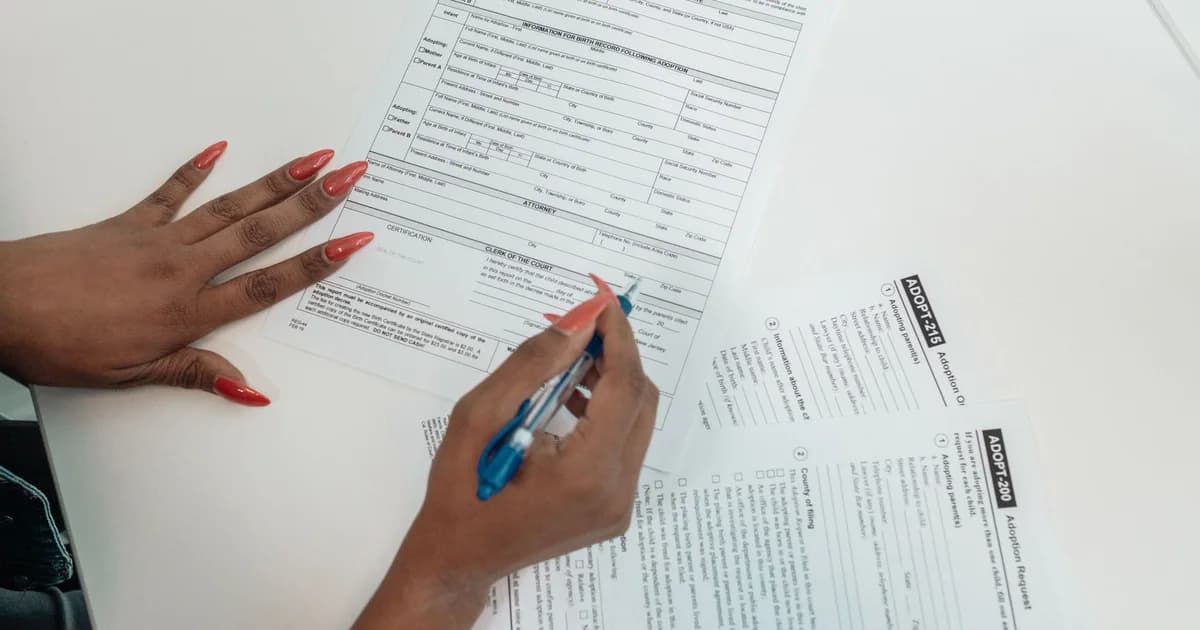
PIP reassessment: what to expect and how to prepare
A PIP award is granted for a fixed period and reviewed before it ends. Reassessment uses the same descriptors as the…
Rather someone else did it?
Partner linksFixed-fee services where a qualified accountant prepares and files your return.
TaxScouts
A real accountant files your return for one fixed fee.
Fixed fee, typically about £169 per return
Get my return doneGoSimpleTax
DIY Self Assessment software that checks for missed savings.
From about £54.99 per tax year
File it myselfWe may earn a commission if you sign up through one of these links. It never changes what we calculate, what we recommend, or the order they appear in.